SEO Case Studies & Results
I tie search optimization directly to real business pipeline outcomes. Here are detailed breakdowns of semantic and local SEO campaigns — what changed, what we engineered, and what it moved.
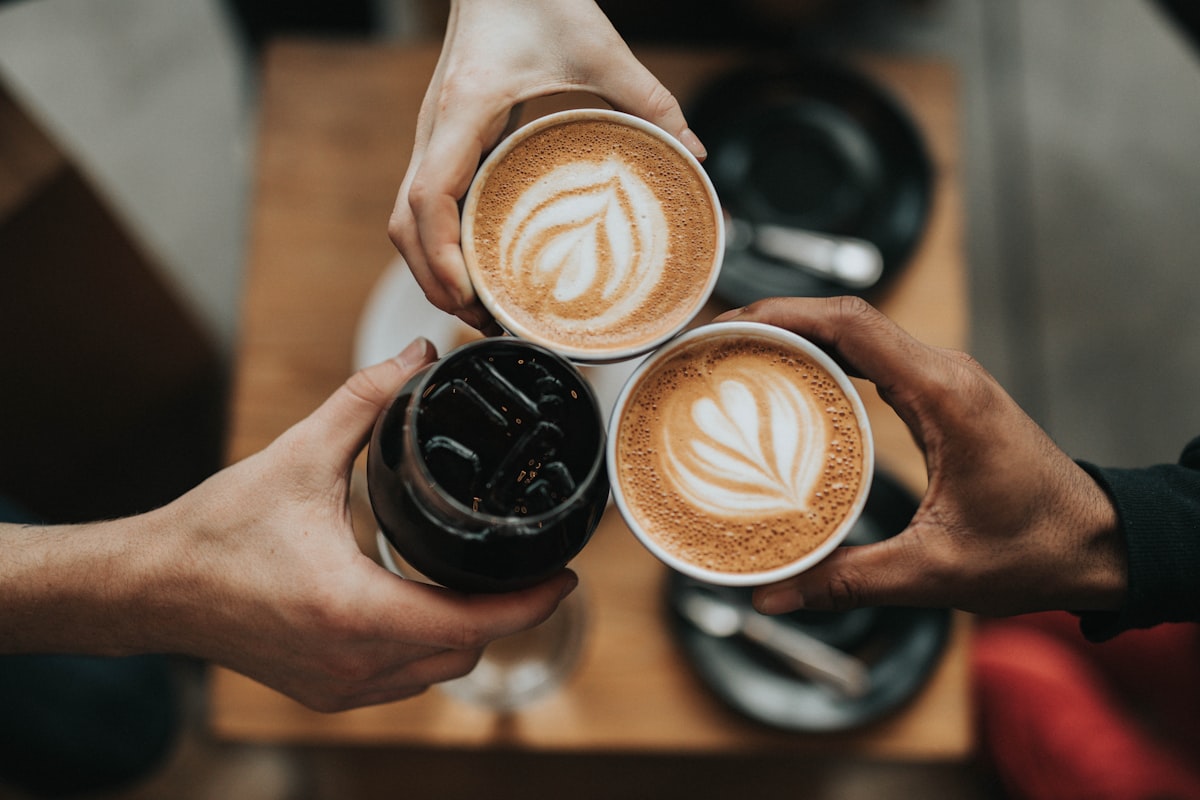
Local SEO Case Study: Armadillo Coffee Roasters — Austin, TX
A specialty coffee roaster buried on page three of Google in one of the country's most competitive local retail markets.

Local SEO Case Study: The Reese Law Center LLC — Homewood, IL
A Chicago-area law firm relying on referrals, invisible to prospective clients searching for the legal help they offer.

Local SEO Case Study: Hotel Circa 39 — Miami Beach, FL
A boutique Miami Beach hotel swallowed by competition in one of the country's fiercest hospitality search markets.

Semantic SEO Case Study: Swag Pro — Denver, CO
A promotional-products business whose online catalog couldn't be found for the very products it sells.

Local SEO Case Study: South Seattle Women's Fitness — Seattle, WA
A personal-training studio in South Seattle invisible to the neighbors searching for exactly what it offers.

Semantic SEO Case Study: Simulithic — YC-backed startup
An AI-native product category few people can describe yet — meaning search engines and AI assistants couldn't understand what the company does.

Semantic SEO structuring & entity clustering — Windcave
The client windcave.com faced severe search visibility plateau and fragmented domain equity across its payment product categories, with search crawlers failing to associate their pages with core payment entities.

Local SEO systems for competitive service niches
New brand entrants in hyper-competitive local service niches (Junk Removal, RV Repair) needed rapid localized SERP traction with low advertising spend.
Semantic SEO & AI/LLM alignment — Azuno
Azuno, a fast-growing SaaS company specializing in AI-driven analytics, struggled to gain organic traction despite an innovative product. Its content lacked the semantic depth for search engines and AI systems to interpret intent, geo-targeting was weak, and potential customers in its core San Francisco market were missing the brand entirely.